

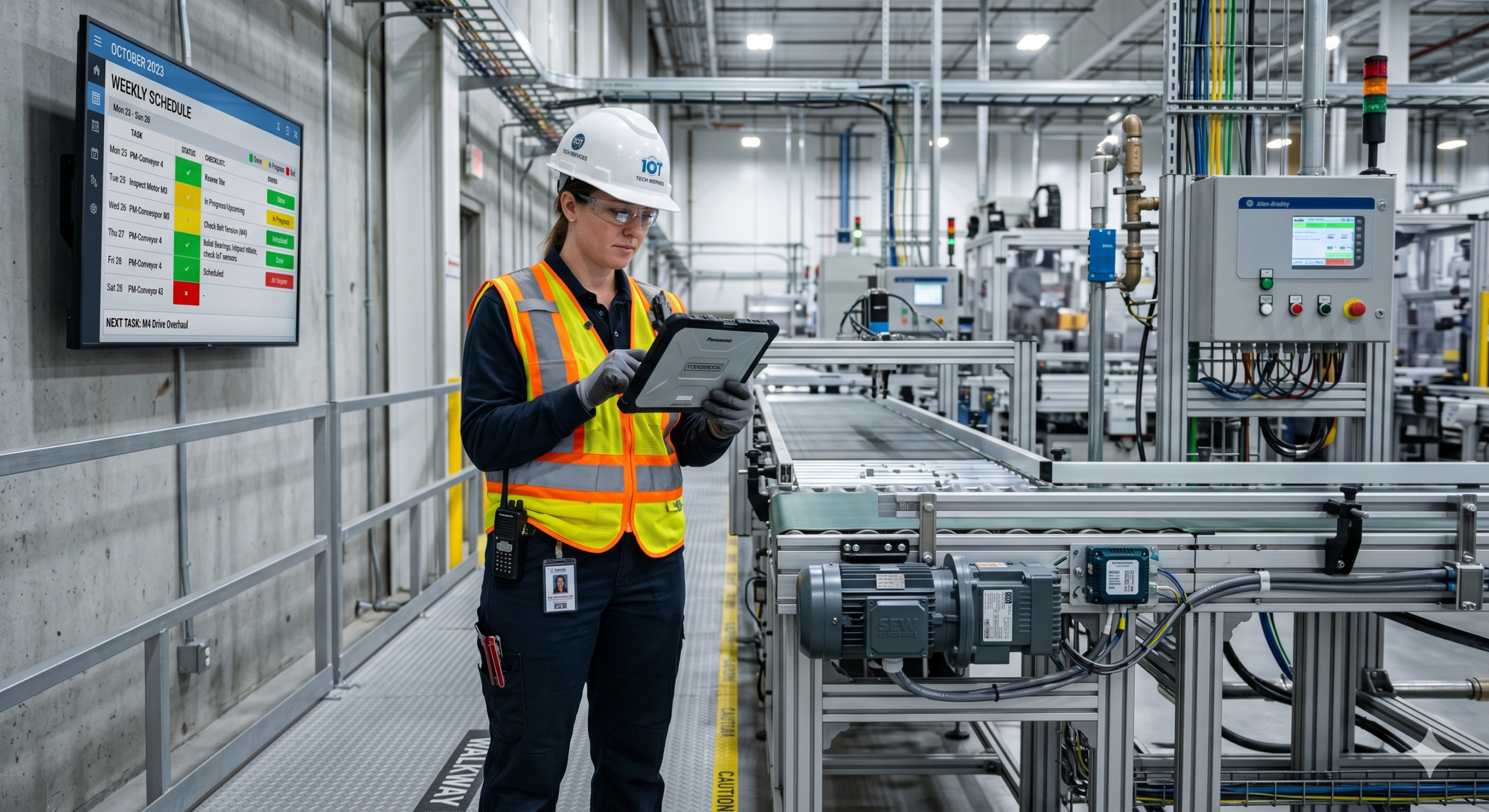
Building a reliable system requires a structured approach and clear planning. If you need a deeper step-by-step breakdown, this guide on How to Create an Equipment Maintenance Schedule explains the process in detail. In modern operations, this schedule is no longer static or manual. Instead, it is data-driven, integrated with digital systems, and aligned with production goals. As a result, organizations can reduce downtime, extend asset lifespan, and improve overall efficiency. This guide explains how to build, optimize, and scale an equipment maintenance schedule for 2026.
What Is an Equipment Maintenance Schedule?
An equipment maintenance schedule is a timeline that outlines maintenance activities for machines and systems. It ensures that tasks are completed at the right time to prevent failures. In other words, it provides a clear roadmap for maintaining equipment performance.
Key Elements
- Scheduled inspection intervals
- Defined maintenance tasks
- Assigned personnel
- Required tools and materials
- Documentation and tracking
Therefore, a well-designed schedule helps organizations move from reactive maintenance to a proactive approach.
Why an Equipment Maintenance Schedule Matters
In any industrial or commercial environment, equipment reliability is critical. For this reason, an equipment maintenance schedule plays a key role in operational success.
Key Benefits
First, it reduces unplanned downtime by identifying issues early.
Second, it improves equipment lifespan through consistent care.
Additionally, it enhances safety by ensuring machines operate correctly.
Moreover, it increases efficiency by minimizing disruptions.
Ultimately, it reduces overall maintenance costs.
Types of Equipment Maintenance Schedules
Different industries require different scheduling approaches. However, most equipment maintenance schedules fall into the following categories.
1. Time-Based Scheduling
Maintenance tasks are performed at fixed intervals, such as daily, weekly, or monthly.
For example, a machine may be inspected every 30 days.
2. Usage-Based Scheduling
Maintenance is triggered by equipment usage.
For instance, servicing may occur after a certain number of operating hours.
3. Condition-Based Scheduling
Tasks are performed when equipment shows signs of wear or degradation.
Therefore, sensors and monitoring systems play a key role.
4. Predictive Scheduling
This advanced approach uses data and analytics to forecast failures.
As a result, maintenance is performed only when needed, maximizing efficiency.
Core Components of an Effective Equipment Maintenance Schedule
To build a reliable system, organizations must include essential components.
1. Asset Inventory
A complete list of all equipment is necessary.
In addition, each asset should include details such as:
- Asset ID
- Location
- Manufacturer
- Maintenance history
2. Task Definition
Each maintenance activity should be clearly defined.
For example, tasks may include inspection, cleaning, lubrication, or calibration.
3. Frequency Planning
Determine how often tasks should be performed.
This depends on usage, environment, and criticality.
4. Resource Allocation
Assign responsibilities to specific personnel.
At the same time, ensure that tools and spare parts are available.
5. Documentation and Tracking
Maintenance activities must be recorded.
As a result, organizations can track performance and identify trends.
How to Create an Equipment Maintenance Schedule
Building an effective equipment maintenance schedule requires a structured approach.
Step 1: Identify Critical Equipment
To begin with, focus on assets that have the highest impact on operations.
Step 2: Review Manufacturer Guidelines
Next, use manufacturer recommendations to define maintenance requirements.
Step 3: Define Maintenance Tasks
Break down tasks into clear, actionable steps.
In addition, ensure instructions are easy to follow.
Step 4: Set Maintenance Intervals
Determine the appropriate frequency for each task.
For example, some tasks may be daily, while others are annual.
Step 5: Use Digital Tools
Implement software such as CMMS to manage schedules.
As a result, automation improves efficiency and accuracy.
Step 6: Monitor and Optimize
Continuously evaluate performance and adjust the schedule as needed.
Therefore, the system remains effective over time.
Role of Technology in Equipment Maintenance Scheduling
Technology plays a major role in modern maintenance strategies. In fact, digital tools are essential for managing complex operations.
1. CMMS (Computerized Maintenance Management Systems)
CMMS platforms centralize maintenance activities.
For example, they automate scheduling and track work orders.
2. IoT Sensors
Sensors provide real-time data on equipment condition.
As a result, organizations can make informed decisions.
3. Mobile Maintenance Applications
Technicians can access schedules and update tasks in real time.
This improves communication and efficiency.
4. Data Analytics
Analytics tools identify patterns and optimize scheduling.
Therefore, maintenance becomes more precise.
Best Practices for Equipment Maintenance Schedule
To achieve the best results, organizations should follow proven strategies.
1. Standardize Processes
Create consistent procedures across all assets.
As a result, training becomes easier and execution improves.
2. Prioritize Critical Assets
Focus resources on high-value equipment.
This ensures maximum impact.
3. Use Data for Decision-Making
Leverage historical and real-time data.
In addition, adjust schedules based on performance.
4. Train Maintenance Teams
Ensure technicians understand both equipment and tools.
At the same time, provide ongoing training.
5. Integrate with Production
Align maintenance schedules with production plans.
Therefore, disruptions are minimized.
6. Conduct Regular Audits
Review schedules regularly to identify gaps.
As a result, continuous improvement is achieved.
Common Challenges and Solutions
Even with a solid plan, organizations face challenges.
1. Over-Maintenance
Too frequent servicing wastes resources.
Solution: Use data to optimize intervals.
2. Under-Maintenance
Infrequent maintenance leads to failures.
Solution: Follow structured scheduling guidelines.
3. Lack of Skilled Workforce
Maintenance requires technical expertise.
Solution: Invest in training programs.
4. Poor Data Management
Disconnected systems reduce efficiency.
Solution: Implement integrated digital platforms.
5. Resistance to Change
Teams may resist new systems.
However, proper training and communication can help.
Equipment Maintenance Schedule vs Maintenance Plan
Although often used interchangeably, these terms are different.
- Maintenance Schedule: Focuses on timing and frequency
- Maintenance Plan: Includes strategy, resources, and procedures
Therefore, the schedule is a key component of a broader maintenance plan.
Future Trends in Equipment Maintenance Scheduling
Maintenance scheduling is evolving rapidly. Looking ahead, several trends will shape the future.
Key Trends for 2026
- AI-driven scheduling systems
- Integration with predictive maintenance
- Real-time monitoring dashboards
- Cloud-based maintenance platforms
- Increased automation
As a result, maintenance will become more intelligent and efficient.
Equipment Maintenance Schedule in Industry 4.0
In Industry 4.0, maintenance is part of a connected ecosystem.
Because machines, sensors, and systems are integrated, scheduling becomes dynamic.
Key Benefits
- Real-time adjustments
- Improved asset visibility
- Data-driven decision-making
- Enhanced productivity
Ultimately, this leads to smarter and more responsive operations.
Conclusion
An equipment maintenance schedule is a critical tool for ensuring operational efficiency, reliability, and safety. By implementing a structured and data-driven approach, organizations can reduce downtime, extend asset lifespan, and improve performance. As technology continues to evolve, maintenance scheduling will become even more advanced and integrated. Therefore, businesses that invest in modern maintenance strategies today will gain a significant competitive advantage in the future.