
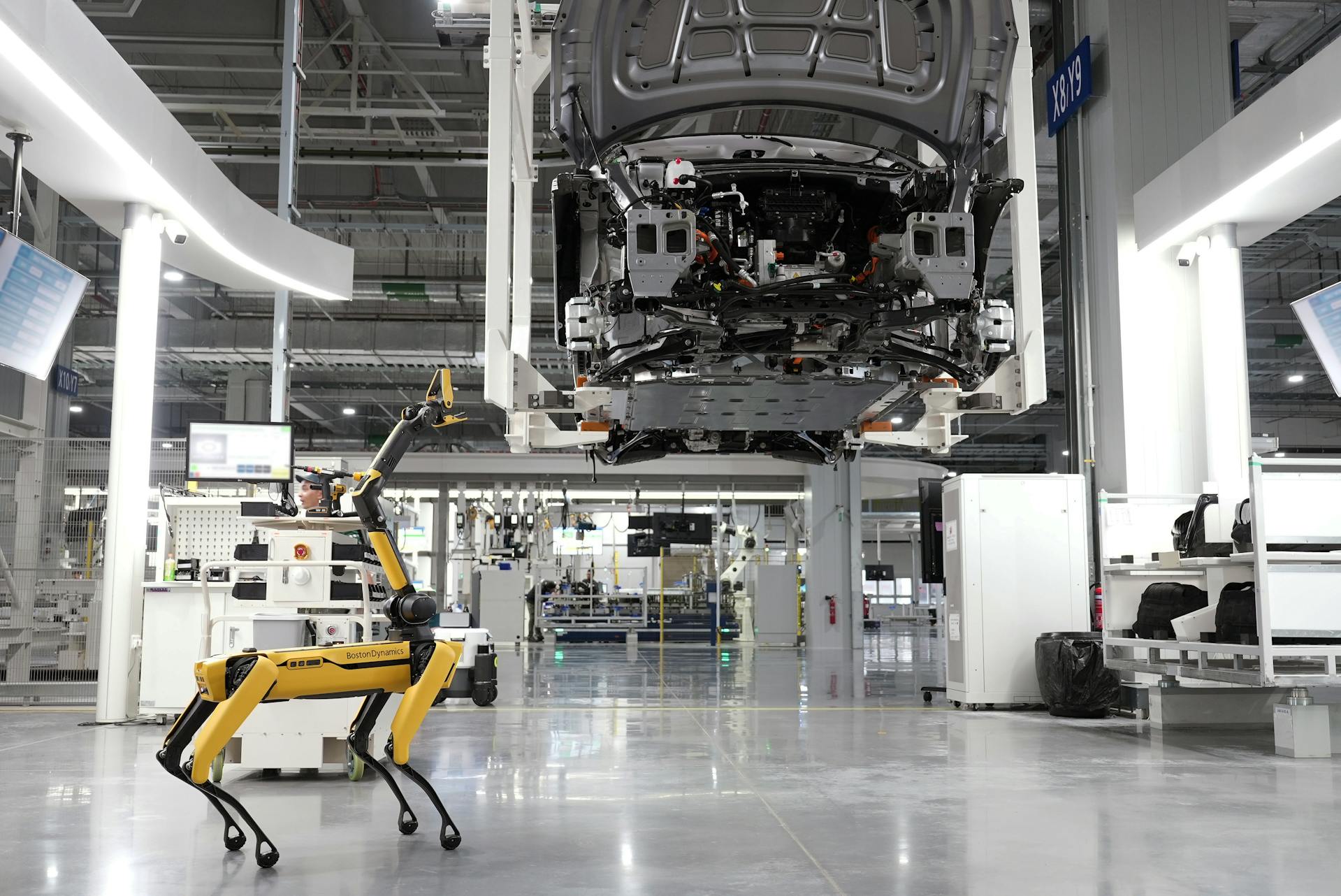
Technology and innovation are redefining the future of automotive manufacturing. As global demand increases for smarter, safer, and more efficient mobility solutions, manufacturers are rapidly adopting advanced technologies to stay competitive. From artificial intelligence to smart factories, the industry is evolving into a highly connected, data-driven ecosystem that prioritizes precision, scalability, and sustainability.
This transformation is not just about automation—it’s about intelligent systems working seamlessly together to optimize every stage of production, from design to delivery.
The Rise of Smart Manufacturing
Smart manufacturing is at the core of modern automotive innovation. It integrates digital technologies into production systems, enabling real-time monitoring, predictive analytics, and automated decision-making.
Key capabilities include:
- Real-time data collection and analysis
- Connected machines and production lines
- Automated process optimization
- Enhanced visibility across operations
By leveraging smart manufacturing, companies can improve efficiency, reduce downtime, and ensure consistent product quality.
Artificial Intelligence and Machine Learning
Artificial Intelligence (AI) and Machine Learning (ML) are transforming how automotive manufacturers operate. These technologies enable systems to learn from data, identify patterns, and make intelligent decisions.
Applications of AI in manufacturing:
- Predictive maintenance: Detect equipment issues before failure
- Quality inspection: Identify defects using computer vision
- Demand forecasting: Optimize production schedules
- Process optimization: Improve throughput and reduce waste
AI-driven manufacturing reduces costs while enhancing precision and operational efficiency.
Robotics and Advanced Automation
Robotics has long been a cornerstone of automotive manufacturing, but recent innovations have made robots smarter, more flexible, and more collaborative.
Types of robotics used:
- Industrial robots: Perform repetitive tasks like welding and painting
- Collaborative robots (cobots): Work safely alongside human operators
- Autonomous mobile robots (AMRs): Transport materials within facilities
Modern robotic systems are equipped with sensors and AI, allowing them to adapt to changing production needs and improve overall productivity.
Internet of Things (IoT) and Connected Systems
The Internet of Things (IoT) connects machines, tools, and systems across the manufacturing environment. This connectivity enables real-time data exchange and improved operational control.
Benefits of IoT integration:
- Continuous equipment monitoring
- Predictive maintenance insights
- Improved asset utilization
- Reduced unplanned downtime
IoT-driven manufacturing environments are often referred to as “connected factories,” where every component communicates and contributes to optimized performance.
Digital Twins and Simulation
Digital twin technology creates virtual replicas of physical assets, processes, or entire production lines. These digital models allow manufacturers to simulate, analyze, and optimize operations before implementing changes in the real world.
Advantages of digital twins:
- Faster product development cycles
- Reduced risk of production errors
- Improved system performance
- Data-driven decision-making
Simulation tools also enable engineers to test different scenarios, improving efficiency and innovation without costly physical trials.
Additive Manufacturing (3D Printing)
Additive manufacturing is revolutionizing how components are designed and produced. By building parts layer by layer, manufacturers can create complex geometries that traditional methods cannot achieve.
Key benefits:
- Rapid prototyping and iteration
- Reduced material waste
- Lightweight component production
- Customization and flexibility
3D printing is particularly valuable for producing specialized parts and accelerating product development timelines.
Advanced Materials and Engineering
Innovation in materials science is playing a crucial role in automotive manufacturing. The use of lightweight and high-strength materials improves performance, fuel efficiency, and safety.
Common advanced materials:
- Carbon fiber composites
- High-strength steel
- Aluminum alloys
- Smart materials with adaptive properties
These materials enable manufacturers to build vehicles that are both durable and energy-efficient, meeting modern performance and environmental standards.
Cybersecurity in Manufacturing Systems
As manufacturing becomes more connected, cybersecurity has become a critical concern. Protecting data, systems, and intellectual property is essential in a digital manufacturing environment.
Key cybersecurity measures:
- Network security protocols
- Data encryption
- Access control systems
- Continuous monitoring and threat detection
A strong cybersecurity framework ensures operational continuity and protects sensitive manufacturing data from potential threats.
Sustainable Manufacturing Technologies
Innovation is also driving sustainability in automotive manufacturing. Companies are adopting green technologies to reduce environmental impact and meet regulatory requirements.
Sustainable practices include:
- Energy-efficient production systems
- Renewable energy integration
- Waste reduction and recycling
- Water conservation technologies
Sustainability is no longer optional—it is a core component of modern manufacturing strategies.
Human-Machine Collaboration
Despite rapid automation, human expertise remains essential. The future of manufacturing lies in collaboration between humans and machines.
Key aspects:
- Augmented reality (AR) for training and maintenance
- Wearable technology for worker safety
- Intuitive interfaces for machine control
- Continuous workforce upskilling
Human-machine collaboration enhances productivity while ensuring flexibility and innovation in manufacturing processes.
Data-Driven Decision Making
Data is one of the most valuable assets in modern automotive manufacturing. Advanced analytics tools transform raw data into actionable insights.
Data-driven benefits:
- Improved operational efficiency
- Better quality control
- Enhanced supply chain visibility
- Faster response to market changes
Manufacturers that effectively leverage data gain a significant competitive advantage.
Future Trends in Automotive Technology
The future of automotive manufacturing will be shaped by continuous technological advancement.
Emerging trends:
- Fully autonomous production lines
- AI-driven supply chain ecosystems
- Expansion of electric and smart mobility technologies
- Integration of blockchain for transparency and traceability
These innovations will further enhance efficiency, reduce costs, and create more resilient manufacturing systems.