
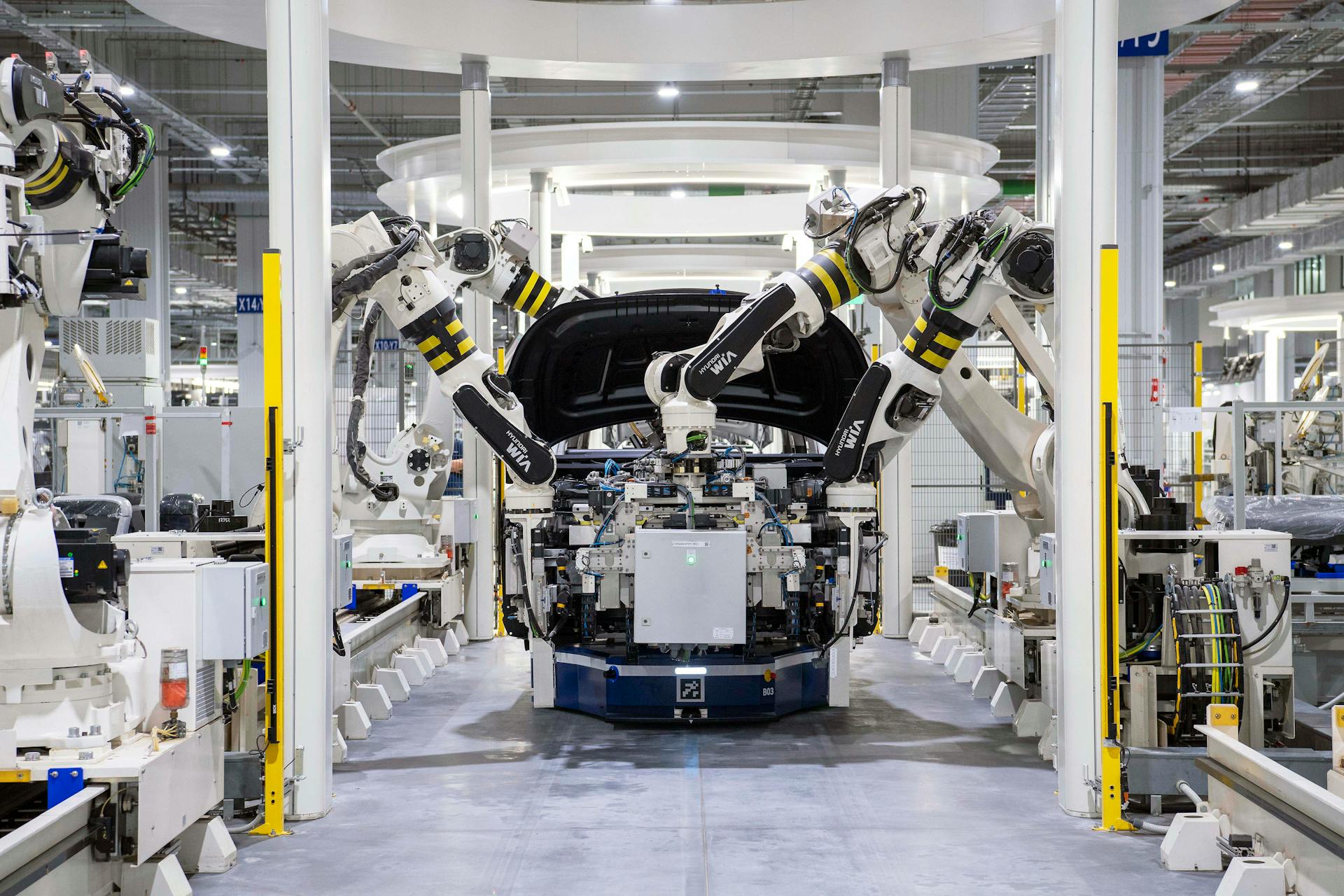
Automotive manufacturing is a highly advanced, technology-driven industry that powers global transportation. From precision-engineered components to fully assembled vehicles, this sector combines engineering excellence, automation, and innovation to deliver performance, safety, and reliability at scale. As industries evolve with digital transformation, automotive manufacturing continues to lead with cutting-edge processes, sustainable practices, and smart production systems.
What is Automotive Manufacturing?
Automotive manufacturing refers to the process of designing, developing, producing, and assembling vehicles and their components. It involves a wide range of activities, including material sourcing, component fabrication, system integration, quality control, and final assembly.
This industry supports not only vehicle production but also the creation of critical components such as engines, transmissions, braking systems, electronics, and structural parts. It operates through a complex ecosystem of suppliers, manufacturers, and distributors working together to deliver high-quality automotive products.
Key Stages in Automotive Manufacturing
1. Design and Engineering
The process begins with research, design, and engineering. Advanced software tools such as CAD (Computer-Aided Design) and CAE (Computer-Aided Engineering) are used to create detailed vehicle models and simulations.
Engineers focus on:
- Structural integrity
- Aerodynamics
- Safety standards
- Fuel efficiency
- Performance optimization
Digital prototyping reduces development time and ensures accuracy before production begins.
2. Material Selection and Sourcing
Materials play a critical role in automotive manufacturing. Manufacturers select materials based on strength, durability, weight, and cost efficiency.
Common materials include:
- High-strength steel
- Aluminum alloys
- Plastics and polymers
- Carbon fiber composites
Sustainable sourcing is becoming increasingly important, with manufacturers prioritizing eco-friendly materials and recyclable components.
3. Component Manufacturing
This stage involves the production of individual automotive parts using specialized processes. These components are later assembled into larger systems.
Common manufacturing processes:
- Casting (for engine blocks and metal parts)
- Forging (for high-strength components)
- Machining (for precision parts)
- Injection molding (for plastic components)
- Stamping (for body panels)
Each process ensures that parts meet strict tolerances and performance standards.
4. Assembly Line Production
Assembly is where all components come together to form a complete vehicle. Modern assembly lines are highly automated and optimized for efficiency.
Key assembly stages include:
- Body assembly
- Paint application
- Powertrain installation
- Interior and electronics integration
- Final inspection
Robotics and automation significantly enhance speed, accuracy, and consistency during this phase.
5. Quality Control and Testing
Quality assurance is a critical part of automotive manufacturing. Every component and vehicle undergoes rigorous testing to ensure safety, durability, and compliance with industry standards.
Testing includes:
- Crash simulations
- Emission testing
- Performance evaluation
- Electrical system checks
Advanced sensors and AI-driven inspection systems help detect defects early, reducing production errors and recalls.
Advanced Technologies in Automotive Manufacturing
Automation and Robotics
Automation has revolutionized automotive manufacturing. Robots are widely used for welding, painting, assembly, and material handling.
Benefits include:
- Increased production speed
- Improved precision
- Reduced human error
- Enhanced workplace safety
Collaborative robots (cobots) are also being used alongside human workers to improve efficiency.
Artificial Intelligence and Machine Learning
AI plays a vital role in optimizing manufacturing processes. It helps in predictive maintenance, quality inspection, and supply chain management.
Key applications:
- Defect detection using computer vision
- Production forecasting
- Process optimization
- Real-time monitoring
AI-driven systems improve decision-making and reduce operational costs.
Internet of Things (IoT)
IoT connects machines, systems, and devices across the manufacturing floor. Smart sensors collect real-time data, enabling manufacturers to monitor performance and improve efficiency.
Advantages include:
- Predictive maintenance
- Reduced downtime
- Improved production planning
- Enhanced asset management
IoT creates a connected manufacturing environment often referred to as a “smart factory.”
Additive Manufacturing (3D Printing)
3D printing is transforming how automotive parts are produced. It allows for rapid prototyping and the creation of complex components that are difficult to manufacture using traditional methods.
Benefits:
- Faster product development
- Reduced material waste
- Customization capabilities
- Lower production costs for small batches
Sustainability in Automotive Manufacturing
Sustainability is a growing priority in the automotive industry. Manufacturers are adopting environmentally friendly practices to reduce their carbon footprint.
Key sustainability initiatives:
- Energy-efficient production processes
- Use of renewable energy sources
- Recycling and reuse of materials
- Reduction of emissions and waste
Electric vehicle (EV) manufacturing is also driving innovation, with a focus on battery technology and eco-friendly materials.
Workforce and Skills in Automotive Manufacturing
Despite automation, skilled workers remain essential. The industry requires a combination of technical expertise and hands-on experience.
In-demand skills include:
- Robotics and automation programming
- Mechanical and electrical engineering
- Data analysis and AI integration
- Quality control and inspection
Training and upskilling programs are crucial to ensure workers can adapt to evolving technologies and processes.
Challenges in Automotive Manufacturing
While the industry continues to grow, it faces several challenges:
1. Supply Chain Disruptions
Global supply chains can be affected by economic shifts, geopolitical issues, and material shortages.
2. Rising Production Costs
Fluctuations in raw material prices and energy costs impact manufacturing expenses.
3. Technological Adaptation
Keeping up with rapid technological advancements requires continuous investment.
4. Environmental Regulations
Stricter regulations demand cleaner production methods and reduced emissions.
Future Trends in Automotive Manufacturing
The future of automotive manufacturing is shaped by innovation and digital transformation.
Electrification
The shift toward electric vehicles is redefining manufacturing processes, particularly in battery production and energy systems.
Smart Factories
Fully connected and automated factories will become the standard, driven by IoT, AI, and data analytics.
Customization
Consumers increasingly demand personalized vehicles, leading to flexible manufacturing systems.
Autonomous Vehicles
The development of self-driving technology is influencing design, production, and testing processes.
Why Automotive Manufacturing Matters
Automotive manufacturing is more than just building vehicles—it drives economic growth, creates jobs, and supports innovation across multiple industries.
It impacts:
- Transportation and mobility
- Global trade and logistics
- Technological advancement
- Environmental sustainability
As the industry evolves, it continues to play a crucial role in shaping the future of mobility.