
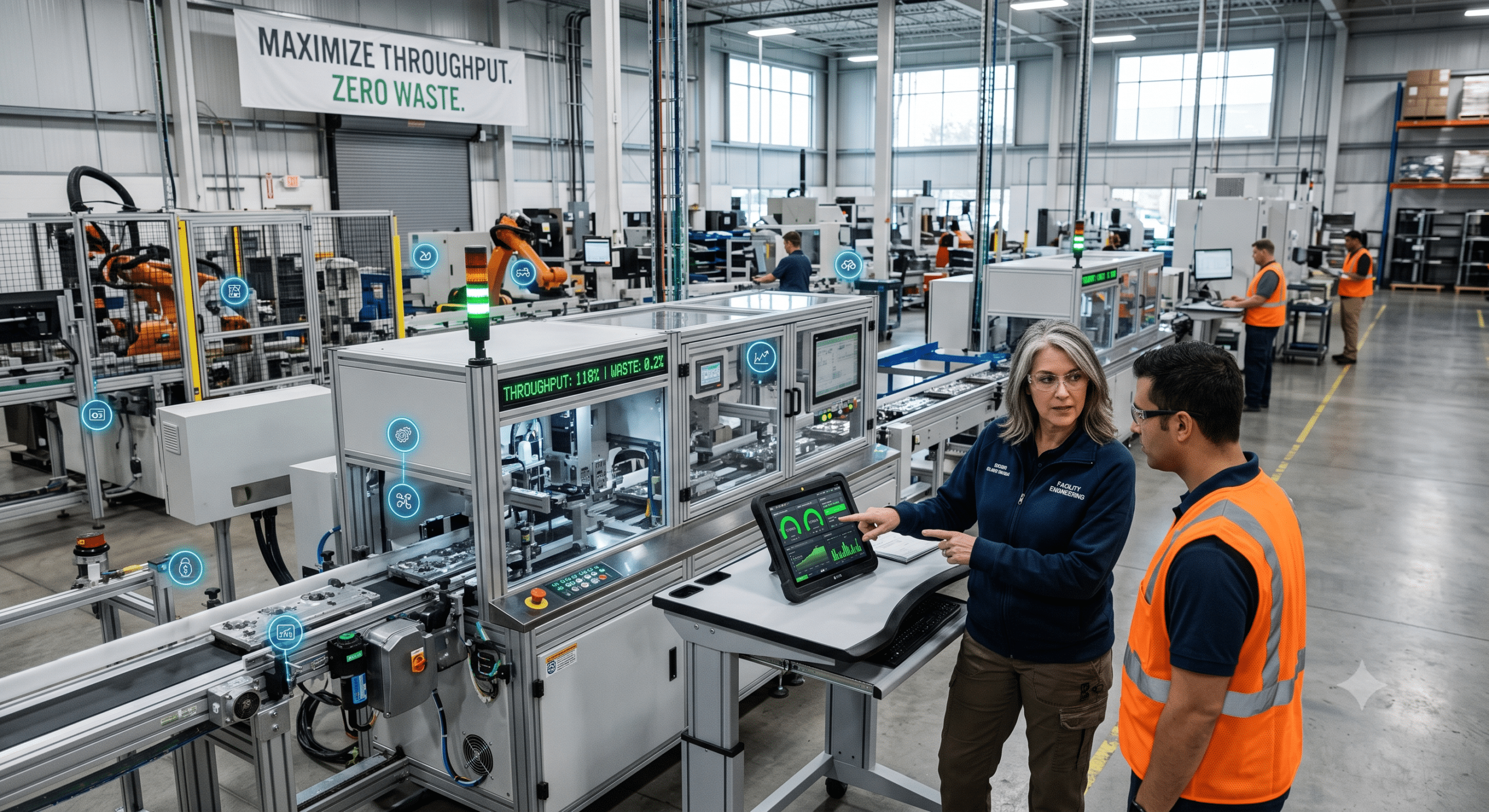
Every maintenance manager knows the heavy feeling of walking onto a production floor that is running behind schedule. The ambient noise of the facility tells a story, and when that story is interrupted by the sudden, grinding silence of a critical line failure, the stakes instantly peak. In the industrial sector, the floor is an intricate ecosystem where mechanical reliability dictates financial survival. When a bottleneck machine stops, the consequences ripple across the entire operation, dragging down production numbers, extending customer wait times, and forcing teams into a stressful, reactive scramble.
To break out of this cycle, we have to look past the immediate fix of repairing a broken part and focus on the broader health of our equipment. True operational excellence relies on a structured approach to asset lifecycle management. By looking at our machinery through a comprehensive lens, we can transform maintenance from an emergency response team into a driver of production efficiency. This strategy requires analyzing every piece of equipment based on three core metrics: maximizing throughput, reducing cycle time, and minimizing scrap rate.
When we manage our equipment strategically from installation to eventual replacement, we protect our production capacity and keep our floor running smoothly. Instead of rushing from one breakdown to the next, we can use these twelve practical principles to build a reliable, high-performing operation.
1. Bridging the Gap Between Procurement and Operational Reality
The journey of any industrial machine begins long before it is bolted to the factory floor, yet a major gap often exists between purchasing decisions and everyday operations. Procurement teams frequently select equipment based on the lowest purchase price or generic data sheets without fully evaluating how the machine will perform under specific facility conditions. A smart asset lifecycle management strategy requires maintenance engineering input during the initial planning phase to evaluate the total cost of ownership rather than just the upfront price.
We must look at how a new asset will fit into our existing production lines and whether our team has the specialized skills to maintain it. If a machine requires unique spare parts or complex servicing that extends our cycle time during repairs, its low purchase price quickly becomes a financial burden. True lifecycle management means ensuring that every new piece of equipment matches our throughput goals and can be serviced easily by our team.
2. Setting Up Equipment Correctly for Long-Term Precision
The way a machine is installed and commissioned sets the tone for its entire operational life. Rushing through the installation phase to hit a quick production deadline is a common mistake that creates ongoing performance issues down the road. Improper calibration, minor misalignments, and imperfect leveling can cause subtle vibrations that accelerate mechanical wear and lead to early component failure.
From a reliability perspective, these early installation errors directly harm product quality and increase scrap rates. When a machine is slightly out of alignment, it cannot hold precise tolerances, which leads to defective parts and wasted material during initial runs. Spending the extra time to properly level, align, and test equipment during commissioning protects our throughput and prevents chronic quality issues.
3. Shifting from Emergency Repairs to High-Compliance Preventive Work
Relying on a reactive, run-to-failure approach is one of the most expensive ways to operate a manufacturing plant. When we only fix machines after they break, we lose control over our production schedule, drive up cycle times, and cause major disruptions across the floor. Transitioning to a structured preventive maintenance program allows us to schedule service during planned downtimes rather than reacting to sudden failures.
To make this transition successful, we need to focus on our preventive maintenance compliance rate. Simply writing a maintenance plan is not enough; our team must execute these tasks on time to prevent minor wear from turning into major breakdowns. Consistent upkeep keeps our lines running smoothly, extends the life of our machinery, and ensures our equipment maintains the precise calibration needed to minimize defective production.
4. Using Predictive Technologies to Monitor Real-Time Health
While preventive maintenance relies on set schedules, predictive maintenance uses real-time data to tell us exactly when a machine needs attention. By installing condition monitoring tools like vibration sensors, thermal imaging, and oil analysis kits, we can track the health of our critical equipment while it operates. This constant visibility lets us spot internal wear—like a degrading bearing or an overheating motor—long before it causes a breakdown.
Catching these issues early allows us to plan repairs precisely when production can accommodate them, keeping our cycle times low. Additionally, monitoring asset health in real time prevents sudden mechanical failures that ruin work-in-progress materials, which directly reduces our scrap rate and protects our overall throughput.
5. Tailoring Maintenance Strategies to Equipment Criticality
Not all machinery on the plant floor carries the same operational weight. Spending the same amount of time and resources on a minor conveyor as we do on a primary bottleneck machine is an inefficient use of our maintenance budget. A successful asset lifecycle management program uses a clear ranking system to categorize equipment based on its impact on production safety, throughput, and cost.
By identifying our most critical machines, we can direct our technical experts and predictive tools where they matter most. This targeted focus ensures that our main production lines receive the highest level of care, preventing major system shutdowns and keeping our cycle times predictable across the entire facility.
6. Keeping the Right Spare Parts Available Without Overspending
An unreliable spare parts inventory can quickly derail an otherwise strong maintenance strategy. If a critical machine breaks down and we do not have the right replacement part in stock, our cycle time skyrockets while the line sits idle waiting for an emergency shipment. Conversely, filling our stockrooms with expensive, rarely used parts ties up valuable capital that could be better spent elsewhere.
Optimizing our inventory requires looking at historical maintenance data to balance part availability with holding costs. We need to identify high-wear components and ensure they are always available, while setting up clear reorder points for specialized items. Keeping our parts inventory organized and balanced ensures we can complete repairs quickly, protect our daily throughput, and avoid costly shipping delays.
7. Standardizing Work Processes to Achieve Consistent Quality
When maintenance tasks are performed differently from shift to shift, machine performance becomes unpredictable. If one technician uses a temporary fix while another follows a detailed rebuild process, the machine will produce inconsistent results. This variation often shows up as fluctuating cycle times and sudden spikes in defect rates.
To fix this, we need to create clear, step-by-step instructions for all repetitive maintenance and repair tasks. Standardizing these procedures ensures that every technician performs work to the same high standard, regardless of who is on shift. This consistency keeps our machinery stable, simplifies training for new team members, and helps maintain the high precision required to keep scrap rates low.
8. Analyzing Root Causes to Eliminate Chronic Machine Issues
Fixing the same equipment failure multiple times a month is a clear sign that we are treating the symptoms rather than solving the real problem. Chronic machine issues drain maintenance hours, slow down production speeds, and hurt overall team morale. To break this cycle, we must use structured root cause analysis techniques to figure out exactly why a component keeps failing.
Whether the underlying issue is poor material quality, an unaddressed design flaw, or an operator training gap, finding the root cause allows us to implement permanent fixes. Eliminating these recurring failures stabilizes our production lines, reduces unexpected downtime, and allows our team to focus on proactive improvements rather than constant firefighting.
9. Connecting Maintenance Data with Daily Production Goals
Maintenance decisions should never be made in a vacuum away from the realities of the production schedule. If the maintenance team takes a machine offline for service without coordinating with production planners, it can disrupt fulfillment targets and delay customer orders. True asset lifecycle management requires open communication and shared goals between maintenance and operations.
By sharing data between our maintenance tracking systems and production planning software, we can schedule service during natural gaps in the production calendar. This teamwork ensures that maintenance work supports daily output goals, keeps cycle times steady, and ensures machines are always ready to perform during peak demand.
10. Training Operators to Support Basic Machine Care
Our equipment operators are our first line of defense against unexpected machine failures. Because they work with these assets every day, they are often the first to notice unusual sounds, slight changes in operating temperature, or small fluid leaks. If operators are trained only to press buttons and ignore these warning signs, we miss a valuable opportunity to catch problems early.
Implementing a basic operator care program trains team members to handle simple tasks like routine cleaning, visual inspections, and basic lubrication. This approach frees up our specialized technicians to focus on advanced predictive work and major upgrades. It also helps us catch minor issues before they disrupt production, keeping our scrap rates low and our lines running efficiently.
11. Upgrading Existing Assets to Extend Their Useful Life
As our machinery ages, its performance can naturally decline, leading to slower operating speeds and more frequent quality defects. However, replacing an entire industrial machine is a massive capital expense that requires careful planning. In many cases, we can significantly extend an asset’s useful life by upgrading its most critical components.
Replacing outdated mechanical linkages with modern servo drives or updating old control systems can bring an aging machine up to modern performance standards. These targeted upgrades allow us to improve machine accuracy, reduce cycle times, and lower scrap rates without the high costs and long disruptions of a full equipment replacement.
12. Knowing When to Replace Aging Equipment Based on Data
Even with excellent care, every industrial asset eventually reaches a point where continuing to repair it no longer makes financial sense. As a machine nears the end of its useful life, the time between failures shortens and the cost of replacement parts rises. Trying to keep a worn-out machine running out of habit can severely hurt a plant’s profitability.
Making the decision to replace a machine should be driven by clear data rather than guesswork. We need to track the cumulative cost of maintenance against the replacement value of the equipment. When a machine’s ongoing repair costs and rising defect rates start hurting our overall throughput, it is time to transition to a new asset to keep the plant competitive and profitable.
The Broader Impact of Smart Maintenance
Industrial maintenance management is much more than a collection of repair techniques; it is a core business strategy that directly shapes a company’s bottom line. When we look at our factory floor through the lens of maximizing throughput, reducing cycle time, and minimizing scrap, we transform our maintenance team into an essential part of the plant’s success.
By focusing on asset lifecycle management, we move away from the stress of constant emergency repairs and build a stable, predictable, and highly efficient manufacturing operation. The path forward requires a commitment to standardizing our processes, using data-driven insights, and building strong teamwork across the floor. The results—higher output, better quality, and a safer working environment—are well worth the effort.
Frequently Asked Questions
How does asset lifecycle management help reduce a factory’s scrap rate? Asset lifecycle management reduces scrap by keeping production machinery precisely calibrated and well-maintained. When equipment receives regular, high-quality care, it experiences less wear and holds tighter tolerances, which prevents the quality variations that cause defective parts and wasted material.
What is the best way to move from reactive maintenance to a proactive strategy? The most effective way to make this shift is by focusing on your most critical machines first. Start by setting up basic preventive maintenance schedules and tracking your compliance rate, then gradually introduce predictive tools like vibration and temperature sensors to catch component wear early.
Why is equipment calibration so important for plant throughput? Proper calibration ensures that machines can run at their optimal design speeds without causing quality issues or mechanical strain. When a machine is out of calibration, operators often have to slow it down to prevent defects, which directly hurts the plant’s daily output.
How does a standard work order system improve maintenance efficiency? A standard work order system ensures that every maintenance task is documented, prioritized, and performed using the same approved methods. This structure eliminates confusion, helps technicians work safely, and provides clean historical data for making long-term equipment decisions.
When should a company choose component upgrades over a full machine replacement? Upgrading components is an excellent choice when the core structure of the machine is still in good condition, but its controls, motors, or software are outdated. Upgrades offer a faster, more cost-effective way to improve machine accuracy and reduce cycle times without the high cost of a total replacement.
References for Further Reading
-
For an in-depth look at total cost of ownership frameworks, check out the comprehensive guide on Asset Lifecycle Management by IBM.
-
To explore how connected maintenance platforms improve daily floor stability, see the practical industry insights in Tractian’s Manufacturing Asset Management Guide.
-
For detailed benchmarks and key performance indicators across the equipment lifespan, read the eWorkOrders Guide to Lifecycle Best Practices.