

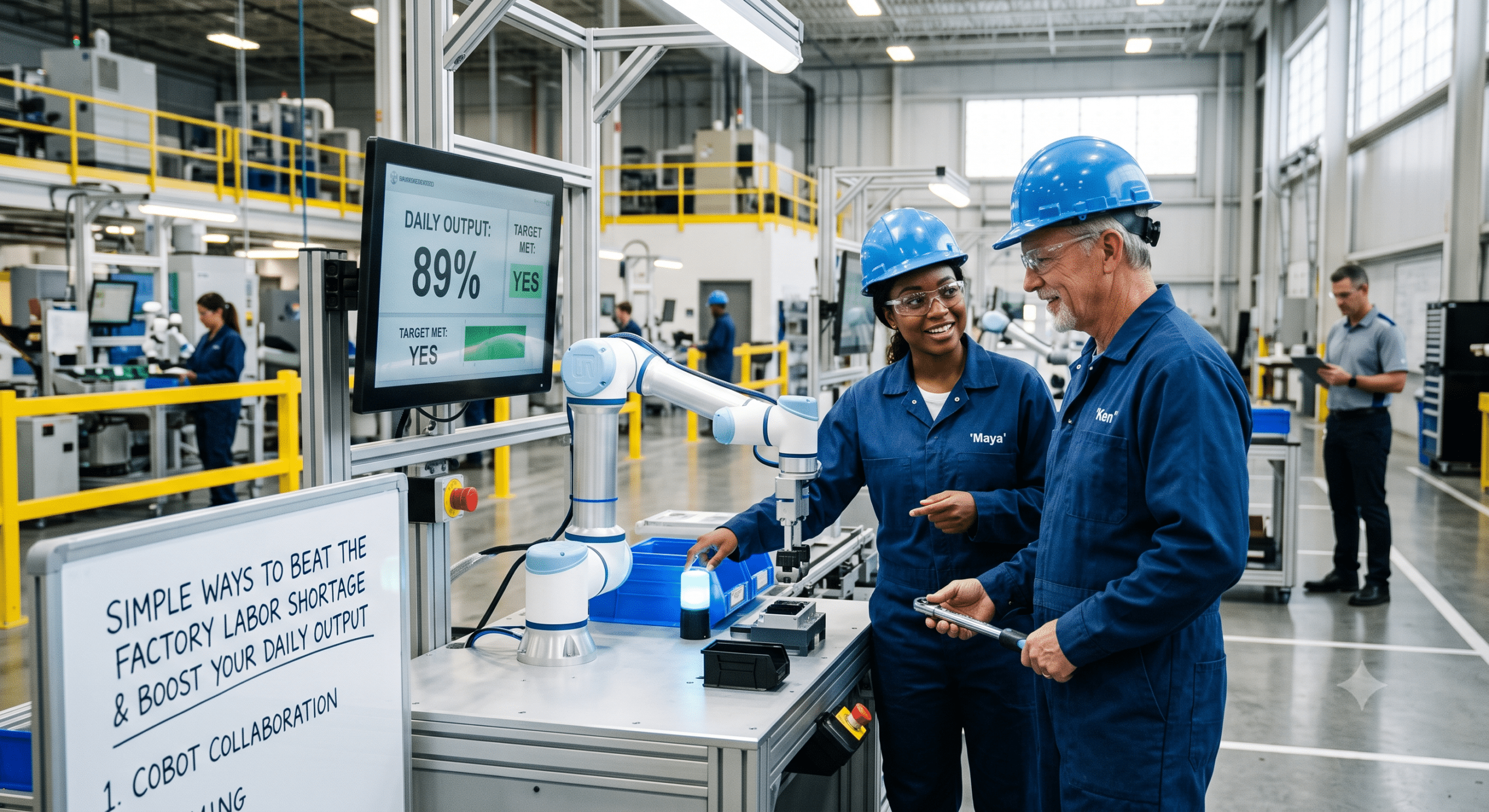
Keeping a production floor running smoothly is a great feeling, but finding the right manufacturing labor shortage solutions is the only way to keep that feeling alive when someone calls in sick. As manufacturing leaders, we all know the drill. The biggest headache today isn’t broken machines—it’s finding enough reliable people to run them, which is why having proven methods to stabilize our workforce is so critical.
Trying to solve this by just throwing more job ads online isn’t working anymore. Older workers are retiring, and the new machines require more technical skills than before. We have to change how we train and support our teams using real-world manufacturing labor shortage solutions.
The secret is to connect training directly to floor results. Implementing targeted manufacturing labor shortage solutions should make your lines run faster, prevent unexpected breakdowns, and stop workers from making mistakes that ruin raw materials. Here are twelve practical ways to build a stronger team, keep your machines running, and get more product out the door every single day.
1. Speed Up New Hire Training to Make Lines Run Faster
When a new operator starts on the floor, they usually move slowly because they are afraid of making a mistake. In the past, companies just told new hires to follow an older worker around for a few weeks, but this method passes down bad habits and takes too long.
A better approach is to break down the job into simple, bite-sized tasks that anyone can learn quickly. By using clear pictures and straightforward guides at each machine, new hires can master the basics without getting confused.
When you take the guesswork out of the job, new employees gain confidence rapidly. These modern manufacturing labor shortage solutions mean new workers start hitting standard production speeds in days instead of months, which keeps your line moving fast.
2. Cross-Train Your Team to Keep Production Moving
If only one person in your entire building knows how to run a critical machine, your whole operation is at risk. The moment that person calls in sick, your production line grinds to a halt, and your daily output plummets.
You can fix this vulnerability by creating a simple cross-training system where workers learn to run multiple machines. Look at your floor layout and match people up so that team members in one area can easily step in to help another area when needed.
[Level 4: Master Operator - Can run the machine and train others]
                       ▲
                       │  (Regular practice during shifts)
[Level 3: Independent - Can run the machine at full speed alone]
                       ▲
                       │  (Hands-on practice with a mentor)
[Level 2: Helper - Can do basic setups with someone watching]
                       ▲
                       │  (Basic classroom and safety review)
[Level 1: Beginner - Understands what the machine does]
This flexibility means that when people are absent, you can shift your remaining workers around to keep the most important lines moving. Cross-training keeps your team engaged while protecting your daily production targets from unexpected call-outs.
3. Focus on Quality Training to Stop Wasting Materials
High scrap rates usually happen because an operator does not fully understand how to adjust their machine or read quality data. When workers guess instead of knowing what to do, you end up wasting expensive materials and spending hours fixing mistakes.
Instead of putting everyone through long, boring classroom sessions, give your workers short, focused training right at their workstations. Use your daily quality reports to see exactly where mistakes are happening, then spend ten minutes showing the team how to fix that specific issue.
Teaching operators how to spot tiny defects before they turn into big problems saves a lot of material. This hands-on focus ensures that parts are made correctly the first time, keeping your waste low and your profits high.
4. Use Pictures and Simple Guides to Prevent Mistakes
Expecting an operator to memorize a long list of steps for setting up a machine is a recipe for disaster. People forget things, steps get skipped, and different shifts end up running the same machine in completely different ways.
The easiest fix is to create highly visual work instructions and place them directly at the workstation. Use clear photos, color-coded labels, and simple words to show exactly how to complete a job step-by-step.
When the instructions are easy to see and follow, every operator will run the machine the exact same way. This consistency keeps your production speeds steady across all shifts and stops human errors from ruining your products.
5. Blend Old-School Training with New Automated Machines
As factories buy newer, faster automated machines to handle the worker shortage, training becomes even more important. If your team does not know how to interact with a new robot or conveyor system, that expensive machinery will sit idle.
You can smooth out this transition by using a classic, proven training method: show, tell, do, and check. Break down the new automated jobs into small steps, explain why each step matters, and share the little tricks that keep the machine running smoothly.
When your operators feel comfortable working alongside automated equipment, you avoid the long delays that usually happen with new technology. Blending simple training methods with new machines helps you get the most out of your investments.
6. Teach Basic Digital Skills to Reduce Machine Downtime
Modern factories use a lot of computers, touchscreens, and digital controls. When an operator gets scared by a basic error message on a screen, they stop the machine and wait for a technician, which wastes valuable production time.
You can prevent these long delays by teaching your entire team basic digital literacy. Show everyone how to navigate the machine screens, read common error codes, and perform simple software resets safely.
When the people working right next to the machines know how to clear basic screen glitches, the line keeps moving. Boosting your team’s digital confidence is an easy way to eliminate short, annoying stoppages throughout the day.
7. Train Operators to Spot Machine Problems Early
Waiting for a machine to completely break down before you fix it is an expensive way to run a factory. It stops your production suddenly and often creates a big pile of ruined, unuseable parts.
Instead, train your everyday operators to take care of their machines by performing basic daily checks. Teach them to check fluid levels, clean key parts, and listen for strange noises or vibrations that suggest a part is wearing out.
Catching a loose belt or a dry gear during a quick morning check allows you to fix it before the machine breaks down mid-shift. This proactive habit keeps your machines running longer, keeps your production steady, and prevents sudden spikes in wasted material.
8. Solve the Real Problem to Stop Making the Same Mistakes
When a machine breaks or a part comes out wrong, simply patching it up and moving on guarantees the problem will return. Fixing the exact same issue over and over wastes time, ruins material, and frustrates your team.
Train your team leads and operators to ask “why” five times whenever a problem occurs so they can find the root cause. This simple habit helps workers look past the surface problem to find the real issue that needs fixing.
[Problem: The line stopped because a motor overheated]
       │
       ▼ (Why?)
[The motor was working too hard because a bearing was dry]
       │
       ▼ (Why?)
[No oil was reaching the bearing from the automatic pump]
       │
       ▼ (Why?)
[The oil pump filter was completely clogged with dust]
       │
       ▼ (Why?)
[The filter hadn't been cleaned or checked in six months]
       │
       ▼ (Why?)
[ROOT CAUSE: We forgot to put the filter on our weekly cleaning list]
Fixing the actual root cause means the problem stays gone for good, protecting your future production runs. This continuous focus on finding permanent fixes stabilizes your floor and protects your daily output.
9. Organize Tools to Speed Up Machine Setup Times
Machine changeovers—the time spent switching a machine from making one product to another—are a major time sink. While the machine is stopped for a setup, you are losing money and making zero products.
You can shorten this downtime by teaching your team to organize their tools and materials before the machine ever stops. Group all the necessary wrenches, dies, and raw materials nearby while the current job is still finishing up.
Preparing everything ahead of time means that when the machine finally stops, the operator can switch the parts out immediately without searching for tools. Shortening these setups keeps your machines running longer and increases your total daily output.
10. Show Workers a Clear Future to Stop Them from Quitting
High employee turnover destroys your production consistency. Every time an experienced worker walks out the door, you lose their skills, and your production slows down while you try to find and train someone new.
You can keep your best workers by showing them a clear, step-by-step career path inside your company. Let them know exactly what skills they need to learn and what certifications they need to earn to get a raise or a promotion.
When people see that they can grow and earn more money by staying with you, they don’t look for jobs elsewhere. A stable, happy team makes fewer mistakes, works faster, and keeps your production floor running smoothly day after day.
11. Give Workers Instant Feedback to Improve Every Shift
Operators cannot fix a slow production line if they only see their output numbers in a report at the end of the month. Delayed data makes it impossible for the team to fix problems happening right now on the floor.
Put simple digital dashboards or whiteboards right next to the production lines so workers can see their hourly goals and current progress. This instant visibility lets the team know exactly how they are doing throughout the shift.
If the numbers show the line is falling behind, the team can talk about it and fix the issue immediately rather than waiting. Giving your team instant data empowers them to hit their daily targets and take pride in their work.
12. Partner with Local Schools to Find Good Workers Early
Relying entirely on standard job websites to find technical workers often leaves critical roles open for months at a time. To build a reliable, long-term team, you need sustainable manufacturing labor shortage solutions that connect with people in your local community before they even enter the job market.
Reach out to local high schools, trade schools, and community colleges to help them understand what skills you need. Offer simple internships, plant tours, or apprenticeship programs so students can see what modern manufacturing looks like.
These local partnerships create a steady pipeline of young, interested people who are excited to work for you after graduation. Deploying these community-based manufacturing labor shortage solutions ensures you always have great people ready to keep your factory growing.
Common Questions About Manufacturing Training
How do basic floor training and manufacturing labor shortage solutions actually increase our daily product output?
Good training eliminates the confusion and mistakes that cause machines to slow down or stop completely. When operators know exactly how to run their equipment, perform quick setups, and handle minor issues on their own, the line runs at a steady pace all day. This consistent operation removes bottlenecks and ensures you get more finished products out the door during every single shift.
What is the quickest way to speed up machine changeovers without hiring more people?
The fastest way to cut setup times is to organize all your tools, parts, and materials before you turn the machine off. By doing this prep work while the machine is still running the previous job, you cut out the time workers spend searching for tools. This simple change shortens your downtime, gets the machine back online quickly, and unlocks extra production time.
How does cross-training prevent us from wasting raw materials?
Cross-training ensures that when a backup operator steps in to run a machine, they actually know what they are doing. Instead of rushing an untrained worker onto a complex line during a staffing shortage, a cross-trained employee has already been taught the proper techniques and quality checks. This prevents the costly operational mistakes that cause high scrap rates and wasted materials.
Why should we teach digital skills to operators instead of just calling maintenance?
Teaching basic digital skills lets your operators solve minor computer or screen glitches in just a few seconds. If an operator has to stop the line and wait for a specialized technician every time a simple error message pops up, you lose hours of production time. Giving your floor team the confidence to clear simple errors keeps the line moving and keeps your daily throughput high.
Helpful Resources for Further Reading
-
Tooling U-SME Manufacturing Insights: For actionable insights on structured onboarding and floor-level competency frameworks, read the comprehensive guide on SME Workforce Development Solutions.
-
IndustryWeek Operations Strategy: To learn more about modern cross-training matrices, retention strategies, and technology implementation on the plant floor, explore the deep dives provided by Manufacturing USA Initiatives.