

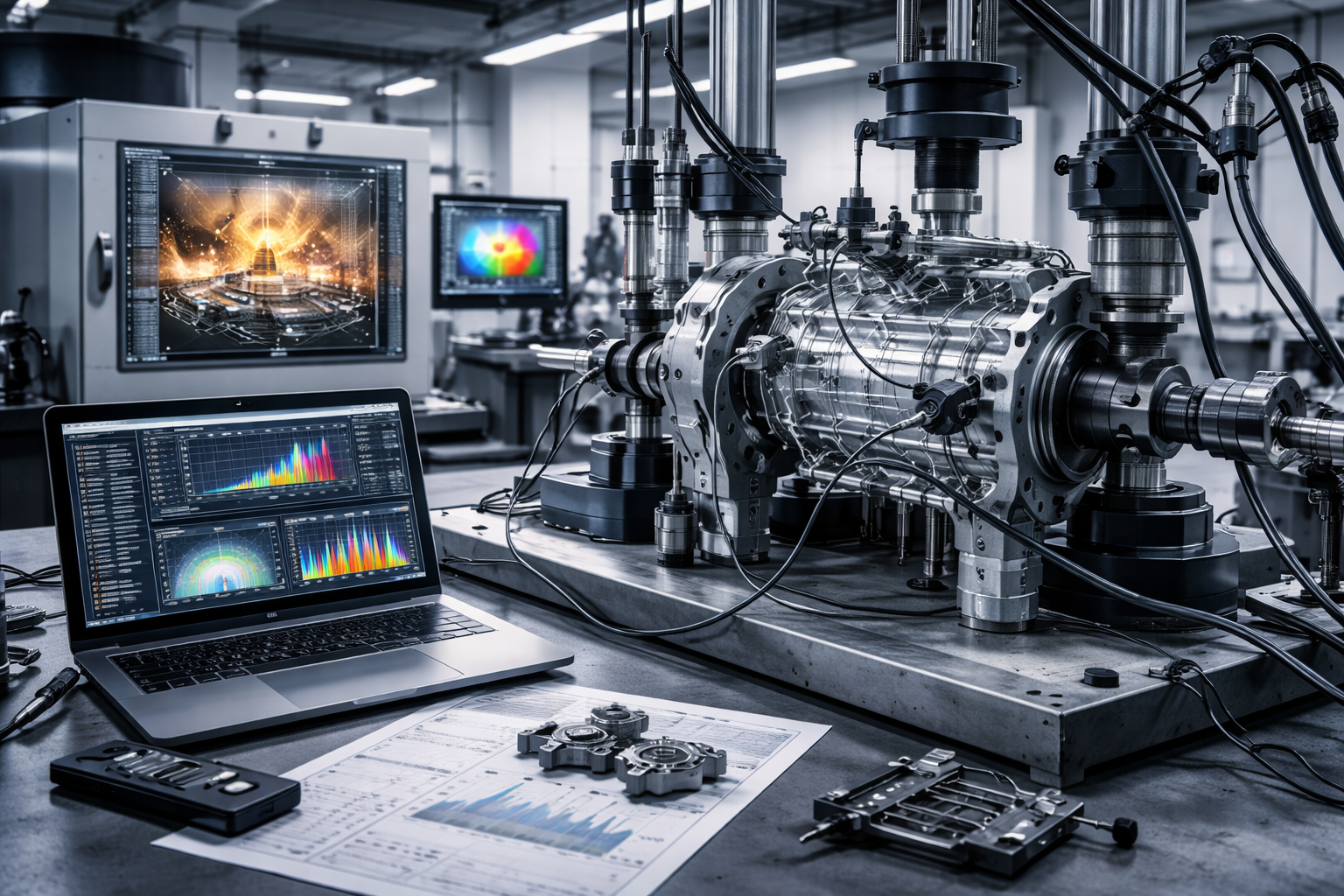
Failure testing methods are essential in engineering, manufacturing, and product development. They help identify weaknesses, validate durability, and ensure systems perform reliably under real-world and extreme conditions. By systematically analyzing how and why components fail, engineers can improve designs, reduce risks, and deliver safer, high-quality products.
This guide provides a technical, clean, and expert-level overview of failure testing methods, including types, tools, processes, and best practices used across industries.
What Are Failure Testing Methods?
Failure testing methods refer to structured techniques used to evaluate how components, systems, or materials behave when subjected to stress, load, or adverse conditions until failure occurs. The goal is to understand failure mechanisms and improve reliability.
Key Objectives
- Identify failure points
- Analyze root causes
- Improve product durability
- Ensure safety and compliance
These methods simulate real-world usage and extreme scenarios to uncover potential weaknesses.
Why Failure Testing Methods Are Important
Failure testing is critical for ensuring product reliability and safety.
Key Benefits
- Improved Safety: Prevents unexpected failures in critical systems
- Enhanced Reliability: Ensures consistent performance over time
- Cost Reduction: Identifies issues early in development
- Regulatory Compliance: Meets industry standards and requirements
- Performance Optimization: Enhances overall system efficiency
Organizations that implement robust testing strategies can significantly reduce product failures and warranty costs.
Common Types of Failure Testing Methods
Different testing approaches are used depending on the application and industry.
1. Destructive Testing
Destructive testing involves pushing a component to failure to understand its limits.
Examples
- Tensile testing
- Impact testing
- Compression testing
Applications
- Structural components
- Materials engineering
- Automotive parts
2. Non-Destructive Testing (NDT)
Non-destructive testing evaluates components without causing damage.
Common Techniques
- Ultrasonic testing
- X-ray inspection
- Magnetic particle testing
Benefits
- Detects internal defects
- Preserves test samples
- Enables repeated inspections
3. Fatigue Testing
Fatigue testing evaluates how materials behave under repeated stress cycles.
Key Focus
- Crack initiation
- Crack propagation
- Lifespan prediction
Applications
- Aircraft components
- Automotive systems
- Rotating machinery
4. Thermal Testing
Thermal testing assesses how components perform under temperature variations.
Testing Conditions
- High heat exposure
- Thermal cycling
- Rapid temperature changes
Applications
- Electronics
- Engine components
- Battery systems
5. Vibration Testing
Vibration testing simulates real-world motion and mechanical stress.
Types
- Random vibration
- Sinusoidal vibration
Applications
- Automotive systems
- Aerospace components
- Electronic devices
6. Environmental Testing
Environmental testing evaluates performance under external conditions.
Conditions
- Humidity
- Corrosion
- Dust and contaminants
Applications
- Outdoor equipment
- Automotive parts
- Industrial machinery
Failure Testing Methods in Engineering Applications
Failure testing methods are widely used across industries.
Automotive Industry
- Crash testing
- Component durability testing
- Thermal and vibration analysis
Aerospace Industry
- Structural integrity testing
- Fatigue and stress analysis
- Environmental simulation
Electronics Industry
- Thermal and electrical stress testing
- Reliability testing for circuits
- Failure mode analysis
Manufacturing
- Material testing
- Quality control processes
- Production validation
Tools and Technologies Used in Failure Testing
Modern failure testing relies on advanced tools and technologies.
Mechanical Testing Equipment
- Universal testing machines (UTM)
- Hydraulic load systems
- Impact testers
Inspection Tools
- Ultrasonic scanners
- X-ray imaging systems
- Infrared cameras
Simulation Software
- Finite Element Analysis (FEA)
- Computer-Aided Engineering (CAE) tools
Data Acquisition Systems
- Sensors and strain gauges
- Real-time monitoring systems
These tools enable precise measurement and analysis of failure behavior.
Failure Analysis Techniques
Understanding failure requires detailed analysis. Engineers rely on failure mode analysis in testing to understand how and why components fail under different conditions, enabling more reliable and optimized designs.
Root Cause Analysis (RCA)
Identifies the underlying cause of failure.
Failure Mode and Effects Analysis (FMEA)
Evaluates potential failure modes and their impact.
Fractography
Examines fracture surfaces to determine failure mechanisms.
Material Analysis
Studies material properties and defects.
Failure Testing Process
A structured process ensures accurate and reliable results.
Step 1: Define Objectives
Identify what needs to be tested and why.
Step 2: Prepare Test Samples
Ensure samples represent real-world conditions.
Step 3: Select Testing Methods
Choose appropriate techniques based on application.
Step 4: Conduct Testing
Apply controlled stress and monitor performance.
Step 5: Analyze Results
Identify failure points and patterns.
Step 6: Implement Improvements
Refine designs based on findings.
Step 7: Retest
Validate improvements through additional testing.
Challenges in Failure Testing
Despite its importance, failure testing presents challenges.
1. Replicating Real-World Conditions
Simulating actual usage scenarios can be complex.
2. High Costs
Advanced testing equipment and facilities are expensive.
3. Data Complexity
Large datasets require advanced analysis tools.
4. Time Constraints
Comprehensive testing can be time-consuming.
Best Practices for Effective Failure Testing
To achieve reliable results, follow these expert recommendations:
1. Combine Multiple Testing Methods
Use both destructive and non-destructive approaches.
2. Use Realistic Test Conditions
Simulate actual operating environments.
3. Maintain Accurate Documentation
Record all testing procedures and results.
4. Leverage Simulation Tools
Reduce costs and improve efficiency.
5. Continuously Improve Testing Strategies
Adopt new technologies and methodologies.
Future Trends in Failure Testing Methods
Failure testing continues to evolve with new technologies.
Artificial Intelligence
AI improves failure prediction and analysis.
Digital Twins
Virtual models simulate real-world performance.
Automation
Automated systems increase testing speed and accuracy.
Advanced Materials Testing
New materials require innovative testing methods.
Conclusion
Failure testing methods are essential for ensuring product reliability, safety, and performance. By understanding how components fail and applying structured testing techniques, engineers can improve designs, reduce risks, and deliver high-quality products.
As technology advances, failure testing will continue to play a vital role in innovation and quality assurance. Implementing effective testing strategies ensures that systems are not only functional but also durable and dependable in real-world conditions.