

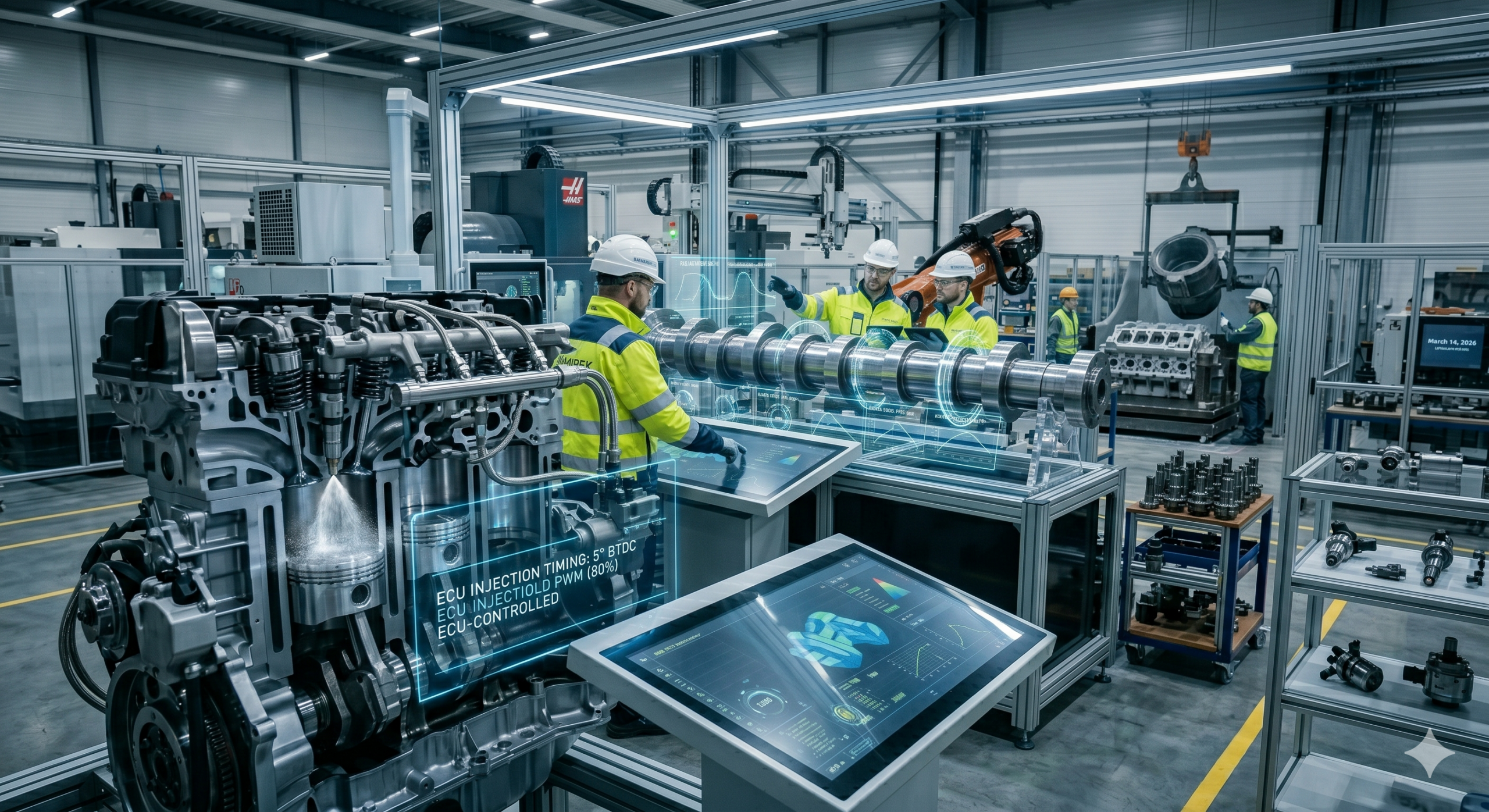
Fuel system components are critical to how an engine performs, consumes fuel, and meets emissions standards. Whether in gasoline, diesel, or hybrid vehicles, the fuel system is responsible for storing, filtering, delivering, and injecting fuel into the engine with precision.
In 2026, fuel systems have become more advanced, integrating electronic control units (ECUs), high-pressure injection, and smart sensors to maximize efficiency and minimize emissions. This guide explains all major fuel system components, how they work together, and the latest innovations shaping modern engines.
What Is a Fuel System?
A fuel system is a collection of components designed to deliver fuel from the tank to the engine in the correct amount, at the right time, and under proper pressure. It ensures optimal combustion and engine performance.
Main Functions of a Fuel System
- Store fuel safely
- Filter contaminants
- Deliver fuel under pressure
- Mix fuel with air for combustion
- Control fuel injection timing and quantity
Key Fuel System Components Explained
Modern engines rely on a complex network of interconnected parts to deliver fuel efficiently and precisely. For a deeper technical breakdown, explore these fuel injection system components explained.
1. Fuel Tank
The fuel tank stores fuel before it is delivered to the engine. Modern tanks are designed with safety and efficiency in mind.
Features:
- Made from corrosion-resistant materials (plastic or aluminum)
- Includes internal baffles to prevent fuel sloshing
- Equipped with sensors to monitor fuel level
Importance:
A well-designed fuel tank ensures consistent fuel supply and safety during vehicle operation.
2. Fuel Pump
The fuel pump moves fuel from the tank to the engine. It can be mechanical or electric, but modern vehicles primarily use electric fuel pumps.
Types:
- In-tank fuel pump (most common)
- Inline fuel pump
Function:
- Maintains consistent fuel pressure
- Ensures proper fuel flow to injectors
3. Fuel Filter
The fuel filter removes dirt, rust, and contaminants from the fuel before it reaches the engine.
Benefits:
- Protects injectors from clogging
- Improves engine efficiency
- Extends component lifespan
Maintenance Tip:
Replacing the fuel filter regularly prevents performance issues.
4. Fuel Lines
Fuel lines transport fuel between components, such as from the tank to the engine.
Characteristics:
- Made from reinforced rubber or metal
- Designed to withstand high pressure and temperature
5. Fuel Injectors
Fuel injectors are responsible for delivering fuel directly into the combustion chamber or intake manifold.
Key Features:
- Electronically controlled
- Spray fuel in a fine mist for efficient combustion
- Operate at high pressure
Types:
- Port fuel injection (PFI)
- Direct fuel injection (GDI)
6. Fuel Pressure Regulator
This component maintains the correct fuel pressure in the system.
Function:
- Adjusts fuel pressure based on engine demand
- Returns excess fuel to the tank
7. Throttle Body
The throttle body controls the amount of air entering the engine, which indirectly affects fuel delivery.
Modern Systems:
- Electronic throttle control (drive-by-wire)
- Integrated with ECU for precise control
8. Fuel Rail
The fuel rail distributes fuel evenly to all injectors.
Role:
- Maintains consistent pressure
- Ensures uniform fuel delivery
9. Engine Control Unit (ECU)
The ECU is the brain of the fuel system, controlling fuel injection timing, quantity, and pressure.
Functions:
- Processes sensor data
- Adjusts fuel-air mixture
- Optimizes performance and emissions
10. Sensors (Critical for Modern Systems)
Modern fuel systems rely on multiple sensors:
- Mass Air Flow (MAF) sensor – measures incoming air
- Oxygen (O2) sensor – monitors exhaust gases
- Fuel pressure sensor – ensures proper pressure
- Throttle position sensor (TPS) – tracks throttle input
How Fuel System Components Work Together
All fuel system components must operate in perfect coordination:
- Fuel is stored in the tank
- The fuel pump delivers fuel through lines
- The fuel filter removes impurities
- The fuel rail distributes fuel
- Injectors spray fuel into the engine
- The ECU adjusts timing and quantity based on sensor data
This synchronized process ensures efficient combustion and engine performance.
Types of Fuel Systems
1. Carbureted Systems (Older Technology)
- Mix fuel and air mechanically
- Less efficient and less precise
2. Fuel Injection Systems (Modern Standard)
- Electronically controlled
- More efficient and cleaner
3. Direct Injection Systems
- Inject fuel directly into the combustion chamber
- Higher efficiency and power output
4. Common Rail Diesel Systems
- High-pressure fuel delivery
- Precise injection timing
- Improved fuel economy and reduced emissions
Fuel System Materials and Engineering
Modern fuel system components use advanced materials:
- High-strength polymers for fuel tanks
- Stainless steel for fuel lines
- Precision alloys for injectors
These materials ensure durability, safety, and resistance to corrosion.
Common Fuel System Problems
1. Clogged Fuel Filter
- Causes poor engine performance
- Leads to reduced fuel efficiency
2. Faulty Fuel Pump
- Results in engine stalling or no start
- Causes inconsistent fuel delivery
3. Dirty Fuel Injectors
- Leads to rough idling
- Reduces combustion efficiency
4. Fuel Leaks
- Safety hazard
- Decreases system pressure
Maintenance Tips for Fuel System Components
- Replace fuel filters regularly
- Use high-quality fuel
- Clean fuel injectors periodically
- Inspect fuel lines for leaks
- Monitor engine performance
Proper maintenance extends the life of fuel system components and improves reliability.
Innovations in Fuel Systems (2026)
1. High-Pressure Direct Injection
- Improves atomization of fuel
- Enhances combustion efficiency
2. Smart Fuel Systems
- Use AI and sensors for real-time optimization
- Adjust fuel delivery dynamically
3. Hybrid Integration
- Combines fuel systems with electric power
- Improves overall efficiency
4. Alternative Fuels Compatibility
- Systems designed for biofuels and synthetic fuels
- Reduces environmental impact
Applications of Fuel System Components
Fuel systems are used in:
- Passenger vehicles
- Commercial trucks
- Marine engines
- Industrial machinery
Each application requires specific design and performance characteristics.
Future of Fuel Systems
Fuel systems will continue evolving despite the rise of electric vehicles. Key trends include:
- Increased efficiency
- Lower emissions
- Integration with smart vehicle systems
Hybrid vehicles and advanced combustion engines will keep fuel systems relevant in the coming years.
Conclusion
Fuel system components play a vital role in engine performance, efficiency, and reliability. From the fuel tank to the injectors and ECU, each part must function precisely to ensure optimal combustion.
In 2026, advancements in technology, materials, and electronic control systems have transformed fuel systems into highly efficient and intelligent systems. Understanding these components helps engineers, technicians, and enthusiasts maintain and optimize engine performance.