

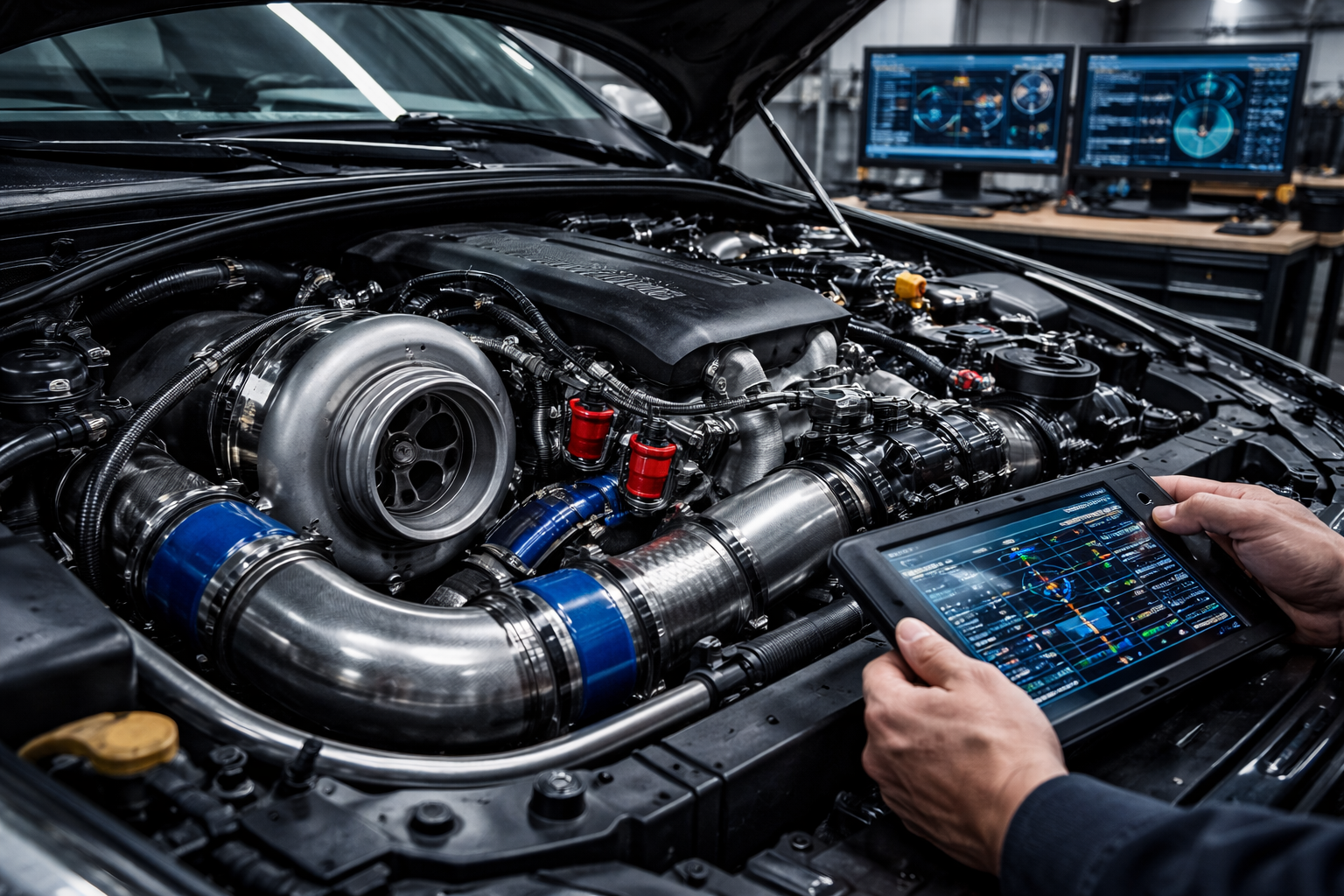
Improving engine efficiency is one of the most important goals in modern automotive engineering. Improving engine efficiency is one of the most important goals in modern automotive engineering, and understanding engine efficiency and performance principles is essential for optimizing how fuel is converted into usable power.
Whether you are working with gasoline, diesel, or hybrid systems, optimizing how an engine converts fuel into usable energy directly impacts performance, fuel economy, emissions, and long-term reliability.
This guide explores how to improve engine efficiency using proven engineering principles, advanced technologies, and practical maintenance strategies. It is designed to be technical, informative, and aligned with real-world applications.
What Is Engine Efficiency?
Engine efficiency refers to how effectively an engine converts fuel energy into mechanical work. In internal combustion engines, a significant portion of energy is lost through heat, friction, and exhaust gases.
Types of Engine Efficiency
- Thermal Efficiency: Measures how well fuel energy is converted into power
- Volumetric Efficiency: Indicates how effectively air enters the combustion chamber
- Mechanical Efficiency: Accounts for friction and internal losses
A highly efficient engine minimizes energy losses while maximizing output.
Why It Is Important to Improve Engine Efficiency
Improving engine efficiency offers several key benefits:
- Reduced fuel consumption
- Lower emissions and environmental impact
- Improved engine performance
- Extended engine lifespan
- Lower operating costs
With stricter environmental regulations and rising fuel costs, efficiency improvements are more critical than ever.
Optimize Air-Fuel Ratio
The air-fuel ratio plays a central role in combustion efficiency.
Ideal Air-Fuel Ratio
For gasoline engines, the ideal (stoichiometric) ratio is approximately 14.7:1 (air to fuel).
Optimization Techniques
- Use advanced fuel injection systems
- Install oxygen sensors for real-time adjustment
- Tune the engine control unit (ECU)
Benefits
- Complete combustion
- Reduced emissions
- Improved fuel economy
Enhance Combustion Efficiency
Efficient combustion ensures maximum energy extraction from fuel.
Key Factors
1. Ignition Timing
Proper spark timing ensures fuel burns at the optimal moment.
2. Fuel Atomization
Finer fuel droplets improve mixing with air.
3. Compression Ratio
Higher compression ratios increase thermal efficiency but require careful design to prevent knocking.
Advanced Solutions
- Direct fuel injection systems
- Variable valve timing (VVT)
- High-performance spark plugs
Reduce Friction Losses
Friction inside the engine reduces mechanical efficiency.
Common Sources of Friction
- Pistons and cylinder walls
- Bearings and crankshaft
- Valve train components
Reduction Methods
- Use low-friction engine oils
- Apply advanced surface coatings
- Optimize component design
Result
- More power output
- Lower fuel consumption
Improve Air Intake and Exhaust Flow
Airflow efficiency directly impacts engine performance.
Intake Optimization
- High-performance air filters
- Smooth intake manifolds
- Turbochargers or superchargers
Exhaust Optimization
- Free-flow exhaust systems
- Reduced backpressure
- Efficient catalytic converters
Benefits
- Increased power
- Better fuel efficiency
- Improved engine responsiveness
Use Forced Induction Technologies
Forced induction systems increase the amount of air entering the engine.
Types of Forced Induction
- Turbochargers
- Superchargers
Advantages
- Higher power output from smaller engines
- Improved fuel efficiency under load
Considerations
- Heat management
- Proper tuning
- Maintenance requirements
Implement Engine Downsizing
Engine downsizing involves using smaller engines with advanced technologies.
How It Works
- Combine smaller displacement engines with turbocharging
- Maintain power while reducing fuel consumption
Benefits
- Lower weight
- Improved efficiency
- Reduced emissions
Upgrade to Advanced Engine Technologies
Modern engines use innovative technologies to improve efficiency.
Key Technologies
Variable Valve Timing (VVT)
Adjusts valve timing based on engine conditions.
Cylinder Deactivation
Shuts down unused cylinders during low demand.
Start-Stop Systems
Turns off the engine when idle.
Hybrid Integration
Combines internal combustion with electric motors.
Impact
- Significant fuel savings
- Reduced emissions
- Enhanced driving efficiency
Improve Cooling System Efficiency
Excess heat reduces engine efficiency and performance.
Cooling Optimization
- Use high-efficiency radiators
- Maintain proper coolant levels
- Ensure proper airflow
Benefits
- Stable engine temperature
- Improved combustion efficiency
- Longer engine life
Regular Maintenance and Tuning
Maintenance is one of the simplest ways to improve engine efficiency.
Key Maintenance Tasks
- Replace air filters regularly
- Change engine oil on schedule
- Inspect spark plugs
- Clean fuel injectors
ECU Tuning
- Optimize fuel mapping
- Adjust ignition timing
- Improve throttle response
Result
- Consistent performance
- Better fuel economy
- Reduced wear and tear
Optimize Fuel Quality
Fuel quality directly affects combustion efficiency.
Recommendations
- Use high-quality fuel from reputable sources
- Choose the correct octane rating
- Avoid contaminated fuel
Benefits
- Cleaner combustion
- Reduced engine deposits
- Improved performance
Reduce Engine Load
Minimizing unnecessary load improves efficiency.
Strategies
- Reduce vehicle weight
- Maintain proper tire pressure
- Avoid excessive idling
Impact
- Lower fuel consumption
- Improved overall efficiency
Leverage Smart Engine Management Systems
Modern engines rely on electronic control systems.
Key Components
- Engine Control Unit (ECU)
- Sensors (oxygen, temperature, pressure)
- Real-time data processing
Advantages
- Precise fuel delivery
- Optimized ignition timing
- Adaptive performance
Common Challenges in Improving Engine Efficiency
1. Balancing Power and Efficiency
Increasing efficiency without sacrificing performance requires advanced engineering.
2. Cost of Upgrades
High-performance components can be expensive.
3. Maintenance Complexity
Advanced systems require skilled maintenance.
4. Environmental Constraints
Meeting emission standards while maintaining efficiency is challenging.
Best Practices to Improve Engine Efficiency
To achieve optimal results:
1. Combine Multiple Strategies
Use a mix of mechanical, electronic, and operational improvements.
2. Invest in Quality Components
High-quality parts deliver better performance and durability.
3. Monitor Engine Performance
Use diagnostic tools to track efficiency metrics.
4. Stay Updated with Technology
Adopt new innovations in engine design and management.
Conclusion
Improving engine efficiency is a multi-faceted process that involves optimizing combustion, reducing losses, enhancing airflow, and leveraging modern technologies. By applying these strategies, you can significantly improve fuel economy, reduce emissions, and extend engine life.
Whether you are an automotive professional or an enthusiast, understanding how to improve engine efficiency provides a competitive advantage in today’s performance-driven and environmentally conscious world.